New documentary, 'It's Never Over, Jeff Buckley,' celebrates the life and legacy of the late artist
August 04, 2025
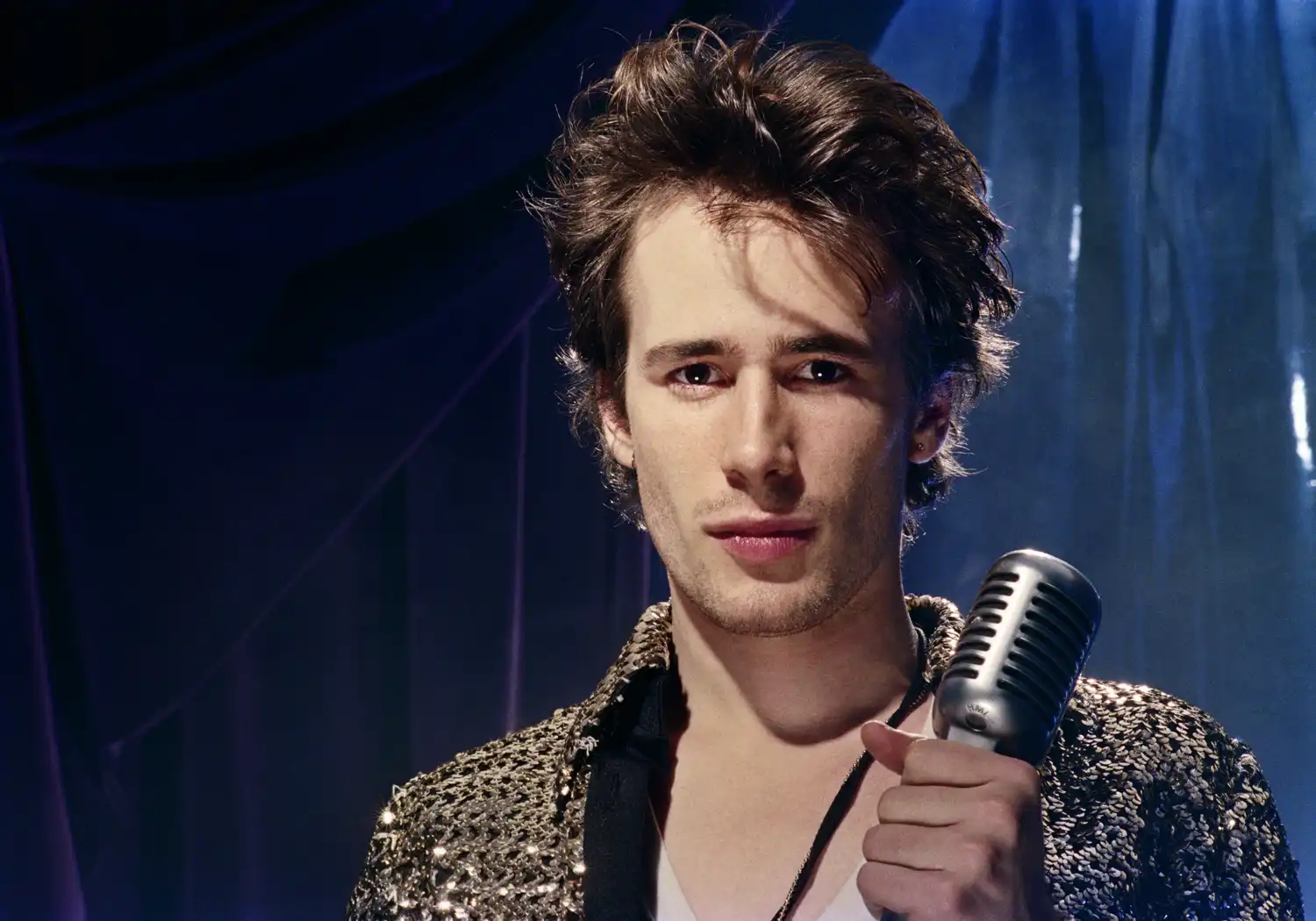
There's a new documentary on the way, and it focuses on the life and legacy of Jeff Buckley, the musician with an otherworldly voice who took the world by storm after releasing just one critically acclaimed studio album called Grace, before he died of an accidental drowning in the late '90s. He was just 30 years old at the time.
The documentary is called It's Never Over, Jeff Buckley, and it features some never before seen footage from Buckley's archives; interviews with his mother, Mary Guibert; his former partners, Rebecca Moore and Joan Wasser; as well as his former bandmates. It's Never Over, Jeff Buckley premiered at Sundance last January, and will open in theaters this Friday. Oscar-nominated director, Amy Berg, joined me to talk about the film.
Listen to the interview using the audio player above, and find a full transcript below.

Interview Transcript
Nilufer Arsala: Amy, welcome to The Current's Morning Show.
Amy Berg: Thank you. Thanks for having me.
Nilufer Arsala: So what made you want to make this film about Jeff Buckley?
Amy Berg: A real interest and love for Jeff's music was the beginning of this journey for me. Back to, cutting back to 1994 when I first heard his album Grace, and the backdrop of the time was very much the grunge music scene. And this album had a way of just like, kind of centering me and letting me know it was OK to just feel. So I was very interested in his life after he passed early in 1997 at age 30, and found his story very compelling, and have been trying for over a decade to get it made.
Nilufer Arsala: So Jeff's breakout performance was actually at a tribute concert for his father, Tim. Can you talk about the impact his father, who was also a musician, had on Jeff Buckley and his career?
Amy Berg: Yeah, his father was a musician in the '60s and '70s, and had a bit of a cult following, and he was critically acclaimed for his musicianship. And so when Jeff entered the music scene, he was consistently referenced as “Tim Buckley's son,” but what people didn't realize was that he only met his father one time, and his father had left his mother while she was still pregnant. And so it was daunting for Jeff, and it created a lot of pain and stress and triggers for him, as he continued on in his career.
Nilufer Arsala: There are some really incredibly emotional parts of this documentary. Some of the scenes that were especially touching was watching his mother talk about her son. How did you get her involved in the project?
Amy Berg: Well, there would be no project without Mary Guibert. She has control of his estate and his music, and really wasn't ready to do anything until now, but I maintained a connection with her, because I was so interested in telling the story, and it took her a while to trust me, but after multiple requests, she said yes. Now she says she always knew that it would be me [who would make the film], but she didn't really give me a clue to that until 2019 when she finally said yes to me.

Nilufer Arsala: You're listening to The Current's Morning Show. I'm Nilufer Arsala talking with director Amy Berg about her new documentary, It's Never Over, Jeff Buckley, which opens in theaters on Friday. Jeff Buckley had a wide range of musical influences, including Led Zeppelin and Leonard Cohen, of course, but some other artists that came up a few times that I didn't expect: Judy Garland, Pakistani singer, Nusrat Fateh Ali Khan, and also Nina Simone. Can you talk about some of his influences?
Amy Berg: Yeah. I mean, I think all of this has a strong connection to his upbringing. His mother played a lot of music in the house when he was growing up, and he was also — he was slight and he was feminine looking, and he was bullied as a kid in school, and he ... I guess he was bullied for, you know, people called him gay and all sorts of names when he was younger. So he just was a person that defied gender, if that makes sense. And he was able to sing feminine, masculine. He was able to open his voice up, to catch everything, and I think that's what made him special. But his influences, he had a wide range of influences, like you said. And I mean, just to hear Jeff, Jeff singing Nusrat Fateh Ali Khan is like that says it all about Jeff, because nobody really tries to capture that. And he managed to do it, and that was what bonded him and Nusrat. So, I mean, it's kind of great that he was so all over the map. He created his own genre in music, essentially.

Nilufer Arsala: You know, when I'm thinking of those influences and then I hear his music, you really do hear it in just kind of an expansive range and expansive vocals there.
Amy Berg: Totally. It's interesting. Like, I didn't realize how close his affiliation was with Led Zeppelin in his actual music until I made this movie, but you can really hear it, everything, in all of the songs. So it's kind of incredible.
Nilufer Arsala: Yeah, and Led Zeppelin comes up multiple times for him in the film.
Amy Berg: Yeah. I mean, when he was a kid, that was one of his first influences. And we talk about, like, getting inside the music through Led Zeppelin, but it becomes a theme, because even when he met Ben Harper in France in the '90s at a festival, they bonded over going to see Led Zeppelin together, and something completely crazy happens, which is in the movie, and I won't spoil it for your listeners, but it's pretty amazing what we discovered from that night.

Nilufer Arsala: I'm Nilufer Arsala, and you're listening to The Current's Morning Show. I'm talking with director Amy Berg about her new documentary, It's Never Over, Jeff Buckley, which opens in theaters on Friday. So I want to talk about Jeff's influence on other musicians, because Radiohead recorded a pretty famous song after watching Jeff perform. Is that, right?
Amy Berg: Yeah, there have been a lot of conversations from especially the British, kind of Britpop scene that emerged in the 90s, and Thom Yorke famously went to see Jeff Buckley and left the show and went and recorded his vocals over on one of his most famous songs. And Chris Martin attributes like kind of his style to Jeff Buckley, as well as many other singer-songwriters that came out of that movement that began with Jeff. So I think he really opened doors for a lot of the music that we have known to love and stands the test of time.

Nilufer Arsala: Absolutely. And I mean, that kind of goes back to his studio album, so I want to talk about Grace for a little bit. It was released in 1994, and then he toured in support of the album for about three years. So let's talk about it, because it does still make an impact to this day.
Amy Berg: Yeah, it really — I mean, if you look at like, decades of music trends, this doesn't really fit in any one of the decades that he was present in. But for some reason, people just keep discovering Jeff, and his music is just timeless in that way, because he just wrote really good songs from the heart. And even today, I'm sure there are parents listening who have teenagers who are going crazy with Jeff on TikTok, because it's like such a big thing on TikTok right now, and so it just seems to be an album that keeps getting bigger and bigger as time goes on. And another interesting note is that since we announced the film at Sundance, Grace has entered the Billboard Top 200 for the first time in 30 years.
Nilufer Arsala: Wow.
Amy Berg: And it's just really kind of coming back and climbing. So I think it's kind it's the moment for Jeff Buckley.

Nilufer Arsala: I'm Nilufer Arsala, and you are listening to The Current's Morning Show. I'm talking with director Amy Berg about her new documentary, It's Never Over, Jeff Buckley; it opens in theaters on Friday. So at the time of Jeff Buckley's death, he was working on a second album. Do you know what happened to any of those songs?
Amy Berg: The songs were later released. His album was going to be called My Sweetheart, The Drunk, and his mother — with the assistance of the artist, Chris Cornell from Soundgarden, who was a really good friend of Jeff's — supervised the production of these demos that he recorded, and released it.
And I didn't know as much about the music when I started the film, until I really got into his story, and I found a really beautiful making-of-an-album there, and it's tragic, because who knows what Jeff would have done if he went in and finished those songs himself — after hearing Grace, you know, the sky's the limit — but you can hear a lot of those songs in our film. And there's a Spotify playlist up that Sony put up from the movie, so you can hear the music from the film there. So I think it's worth a listen. And I think it's really worth a listen after seeing the film, because you will understand those songs in a different way.
Nilufer Arsala: What is it that you would like people to take away with them after watching this film?
Amy Berg: I think that Jeff would like if people watched this film and went out and did something creative. I think "make art" is the message of the film, and find your creative spirit and go and use it.
Nilufer Arsala: Amy Berg is an Oscar-nominated director. Her new film is called It's Never Over, Jeff Buckley, and it focuses on the life and legacy of the influential singer. It opens in theaters on Friday and will have a streaming release on HBO later this winter. Amy, thank you so much for coming on the Morning Show today.
Amy Berg: Thank you so much for having me. Have a great day.

External Link
It’s Never Over, Jeff Buckley – official Magnolia Pictures site